CGI Production Studio for Product Films and Campaigns
Chris Jean is a director-led CGI production studio creating product films, packshots, animation and photoreal environments. Precise 3D work connects with AI and live-action filmmaking where the brief calls for it. Made in Germany, from the Cologne area, for companies across Germany and internationally: accurate products, purposeful images and one coherent visual direction.
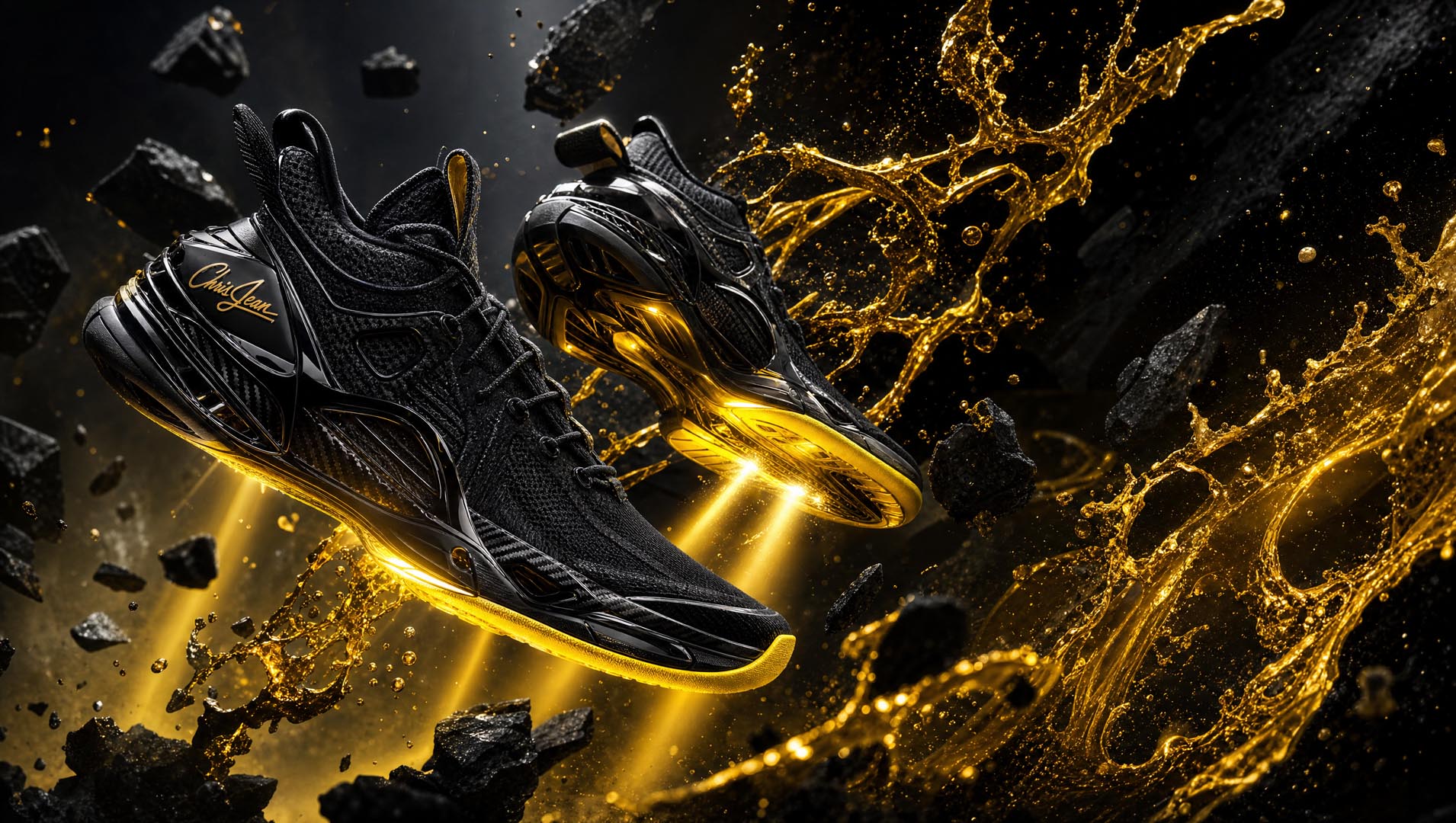
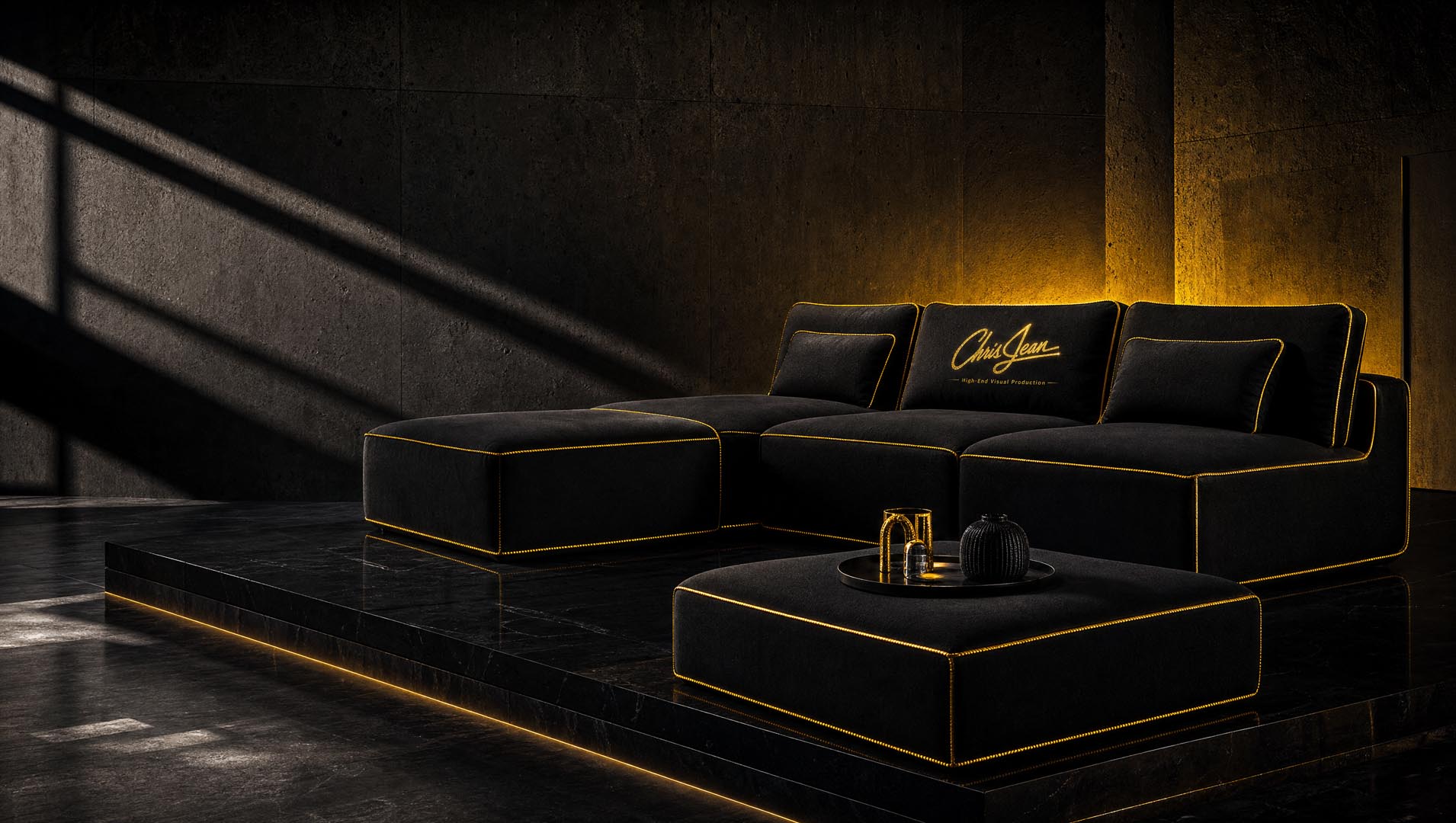
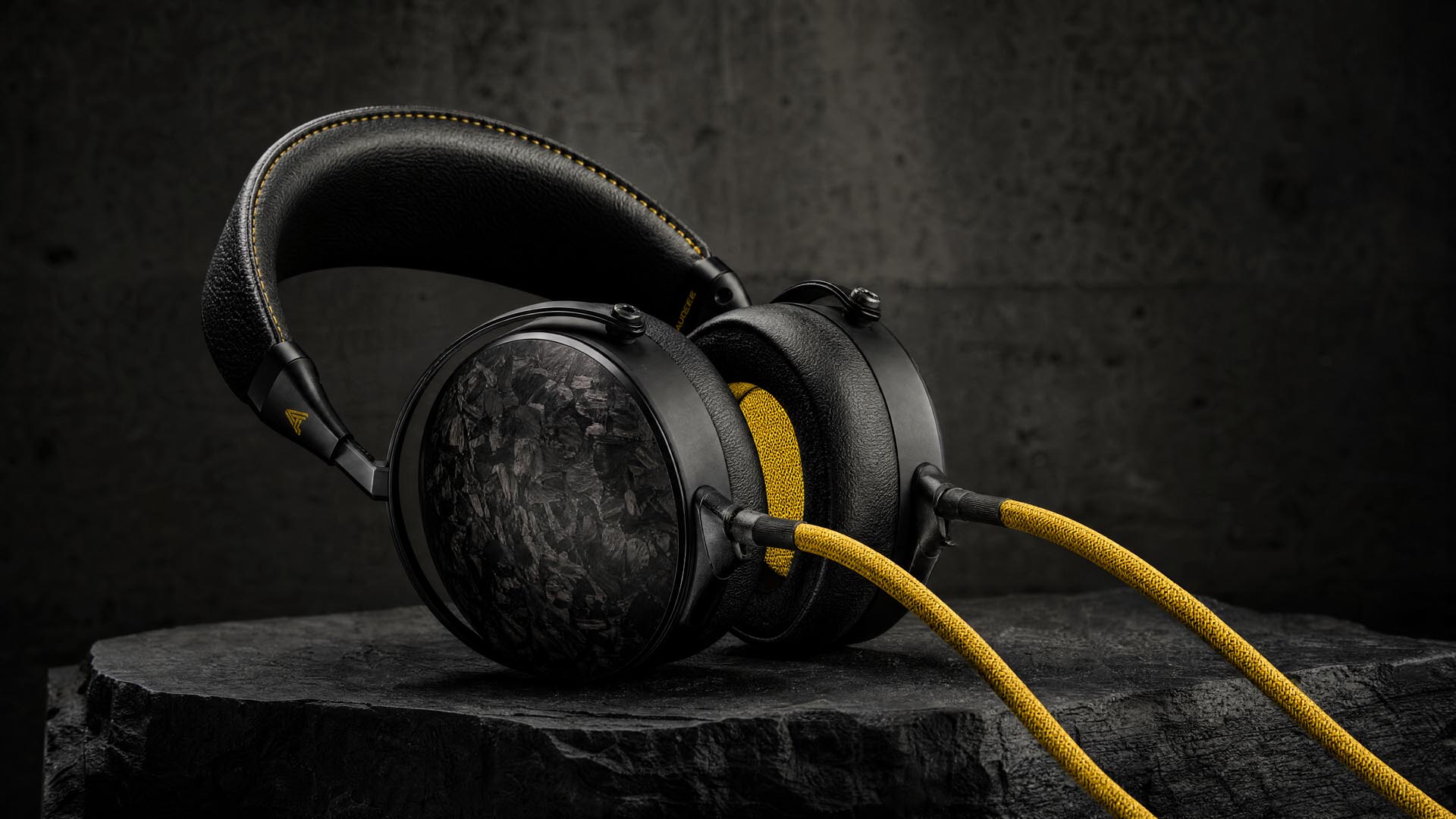
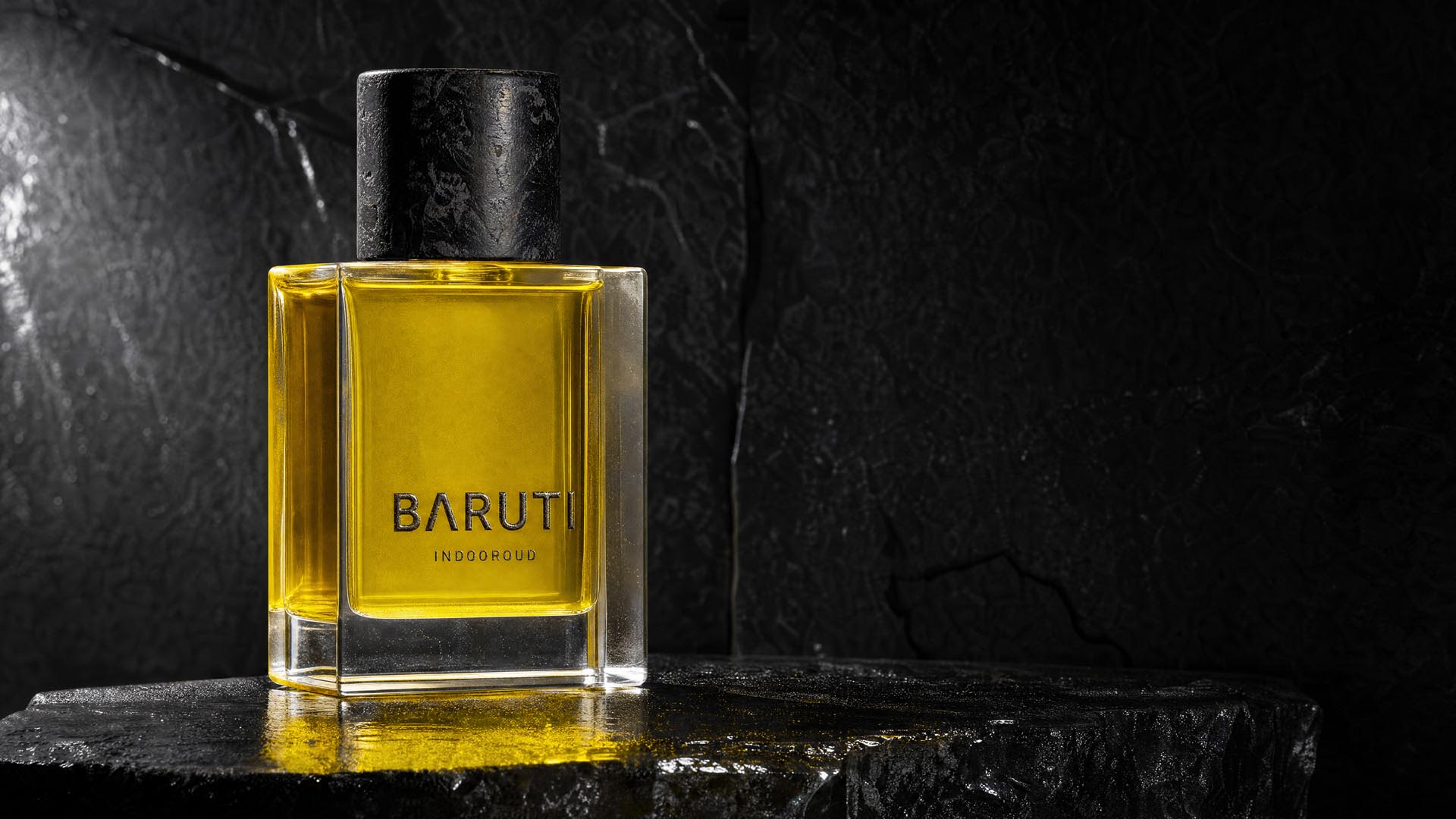
What a CGI production studio can make for you
CGI means computer-generated imagery: pictures built from digital objects, materials, lights and cameras. For a commercial brief, the important question is what those pictures need to achieve. Do you want to explain a product, present its packaging clearly or create a distinctive campaign setting? That decision shapes the shots, movements and deliverables. A shared visual direction can connect product pages, films and advertising without making every image serve exactly the same purpose.
CGI product films
A CGI product film puts the object in motion. The camera can travel around its shape, reveal a mechanism or direct attention to a detail that would be difficult to film physically. The sequence still needs a clear story: what should the audience notice first, what should they understand and what image should remain at the end? I establish that structure before animation begins. An explanatory view and an emotional product reveal can share a film, provided their roles remain clear.
Product CGI and packshots
Product CGI gives you controlled views of an object: packshots, material studies, variants and campaign key visuals. Packaging, type and proportions are anchored to approved product information. A packshot needs a readable silhouette and clear details, while an advertising image can be more expressive with lighting and perspective. We distinguish factual presentation from creative staging at the start. An attractive picture is not useful if the label, finish or proportions quietly describe a different product.
CGI animation
Animation can explain a function, reveal an assembly or guide the eye through a product. A component may open, a surface may catch the light or an object may move through a designed setting. Motion and camera speed follow the message rather than the software’s capabilities. Technical sequences require your review of the underlying information; brand animation needs a deliberate visual rhythm. For projects focused on the wider discipline, explore 3D animation.
Photoreal CGI locations
A digital environment can be designed around the shot, with control over space, surfaces, sightlines and light. This can help when a suitable physical location is unavailable or a product needs a connected family of settings. Photorealism depends on believable relationships between the camera, material and lighting, not simply on adding detail. If the brief is to document your actual premises, a real shoot may provide the more appropriate foundation. We choose the approach according to what the viewer needs to see.
CGI for commercials and campaigns
In advertising, CGI serves a concept; it does not replace one. A product film, campaign image and short advert need a recognisable visual core. Intended placements influence the composition from the outset: room for the message, a visible product, purposeful motion and an ending that belongs to the brand. CGI may carry the whole scene or contribute selected shots to live-action footage. That relationship is planned during development rather than left for the editor to resolve later.
CGI, AI or a photo shoot: choosing the right approach
CGI is a useful option when accurate geometry, repeatable views and controlled materials are essential. An approved digital model can support further imagery when the product and creative direction stay consistent. Building that foundation takes work, however. If the brief calls for a straightforward image and the product and set are readily available, photography may be the more direct route. Computer-generated production is not automatically the cheaper choice, and the method should not be chosen before the actual requirements are understood.
Photography captures a real object under real light. Human interaction, tactile demonstrations or a documentary setting often favour a physical shoot. AI can support visual development and atmospheric environments, but it does not automatically preserve packaging, logos or engineering details. When product accuracy matters, controlled 3D or real footage remains the foundation. We assess the methods against your images, available data and intended uses rather than making general promises about speed or savings.
A hybrid approach may fit best: an accurate CGI object in an AI-assisted setting, a filmed person with a digital extension or a photo shoot supported by animated views. Light, perspective and visual language need to agree across those elements. Before production, we establish which parts are filmed, modelled or generated, and how each will be reviewed. AI-generated material is considered alongside applicable disclosure requirements, including the EU AI Act, rather than treated as an invisible shortcut.
Why I approach CGI as filmmaking
My background as a cinematographer shapes the digital camera too. A lens changes how a product feels, camera height changes its presence and movement gives a shot its rhythm. These are decisions about the film’s message, not just technical settings. Light draws an edge, explains a material and guides attention. Reflective metal, matte plastic and printed packaging call for different treatments. I work with those differences instead of covering every surface with the same polished render style.
Material references help us judge colour, transparency, roughness and reflections. Selected views allow the look to be discussed before the whole sequence is developed. Editing and sound then connect individual shots into a film with a clear progression. For a broader animation brief, see 3D animation and CGI. If your campaign also needs generated artwork or style frames, AI design and key visuals explains that part of the process.
Your product stays true to the original
Creative staging should not change the product without anyone noticing. Work starts with CAD data, existing models, product photographs or a physical sample, depending on what is available. References describe finishes, colour and important details. We check whether the geometry and packaging are current and identify information that needs to be added. A feature that must be accurate cannot simply be guessed from a photograph; it needs a reliable reference and your approval.
Labels, logos, connectors, controls and proportions deserve particular attention. You identify the features that must remain unchanged throughout review. Each variant needs its own approved information. A staged demonstration must not suggest a function the real product does not possess. Model, materials and representative views are therefore checked before final animation. This gives creative decisions a dependable foundation and lets your team assess product accuracy separately from the overall mood of the scene.
How a CGI production works
- Brief and data: We establish the product, message, audience and placements, then review the available files. Brand guidelines, visual references, formats and intended usage belong in this conversation. A nominated contact on your side coordinates technical and creative approval, helping keep the production scope clear.
- Model and materials: Suitable existing data is prepared for the production, or the object is built from reliable references. Geometry, labels and surfaces are reviewed with your team. Missing details are resolved before they become repeated mistakes across every shot in the sequence.
- Look and lighting: Selected views make camera position, environment and lighting tangible. We agree how factual or expressive the product presentation should be. This approval provides a visual foundation for the following shots and avoids conflicting decisions about what the finished film should look like.
- Animation and rendering: Camera moves, product motion and timing are developed. Previews show the sequence before final images are rendered. Your team reviews the accuracy of any technical demonstration; the campaign’s overall visual direction is checked alongside the individual shots.
- Editing, sound and delivery: Shots are assembled, colour is aligned and music, voice-over or sound design is added where commissioned. Final versions match the agreed channels. Usage rights, file requirements and any necessary AI disclosure are clarified before handover rather than assumed after delivery.
What does CGI production cost?
CGI productions start at €4,000 plus VAT. The project price depends on product complexity, the number of shots, animation length, environments, versions, formats and usage rights. Suitable CAD data may simplify model preparation; incomplete files need additional work before they can support accurate imagery. A firm quotation therefore follows a discussion of your product material and deliverables. The starting price is an entry point for commissioning production, not a claim that every campaign fits the same scope.
Product assets, visual references and a list of intended applications make that discussion useful. A packshot and a campaign moving through several environments create different tasks. Planned future variants should also be mentioned, so the digital foundation can be assessed with those needs in mind. We decide which shots genuinely carry the message and which would add work without helping the audience. The quotation describes the agreed production rather than applying a broad market range to your specific brief.
Who I work with
I work with brands, agencies and mid-sized businesses in Germany and internationally. Some arrive with an approved concept; others begin with a product and a communication goal. Agencies can commission production within an established campaign direction, while companies can speak to me directly about concept and execution. Made in Germany, from the Cologne area, does not mean the work is limited to a local audience. The process is shaped around the project and the teams reviewing it.
BMW, BASF, Hyatt, Hard Rock Hotels, PepsiCo, ASUS and Harley-Davidson are general references from my film and brand work. Their names do not identify a particular CGI commission. Your enquiry starts with the job your own product needs to do: explain a function, present an accurate packshot or enter a cinematic campaign world. We discuss the approach and the source material directly, rather than making your requirements fit a standard production package.
FAQ
What does a CGI production studio do?
A CGI studio creates computer-generated product films, packshots, animation and environments. At Chris Jean, concept, camera, lighting and post-production are directed around your product and its intended use. CGI can be a complete production or work alongside AI and live-action footage.
What does product CGI cost?
CGI productions start at €4,000 plus VAT. The final price depends on product complexity, shots, animation length, environments, versions and usage rights. Once we have reviewed the available data and agreed the deliverables, you receive a firm project quotation.
What data do you need from my product?
Useful materials include CAD data or existing 3D models, current product photographs, finish references, packaging artwork and brand guidelines. You do not need to have everything ready. We review what is usable and identify any information needed for an accurate representation.
Is CGI cheaper than a photo shoot?
Not necessarily. CGI involves building the model, materials and scene. That foundation can be useful for repeated views or variants, while a simple image of an available product may be better photographed. The choice depends on the actual scope rather than a general cost claim.
Can CGI be combined with live-action footage?
Yes. Digital products, environments and effects can be integrated into filmed material. Camera, perspective and lighting are planned together so the elements belong in the same image. Preparing that relationship before filming gives the integration a clearer technical and creative foundation.
How long does CGI production take?
Timing depends on source data, model preparation, animation and approvals. We discuss the required stages and agree a suitable schedule before production. A dependable delivery date can only be confirmed once the scope and available materials have been reviewed.
How do you combine CGI with AI?
Controlled 3D can provide an accurate product while AI supports visual development or environments. Generated elements are reviewed for perspective, lighting and consistency. Approved product models or real material remain the foundation wherever exact details matter, and applicable AI disclosure is considered.
Discuss your CGI project
Share your product and its intended applications. We will establish the source data, visual direction and production scope together.